 Reviews


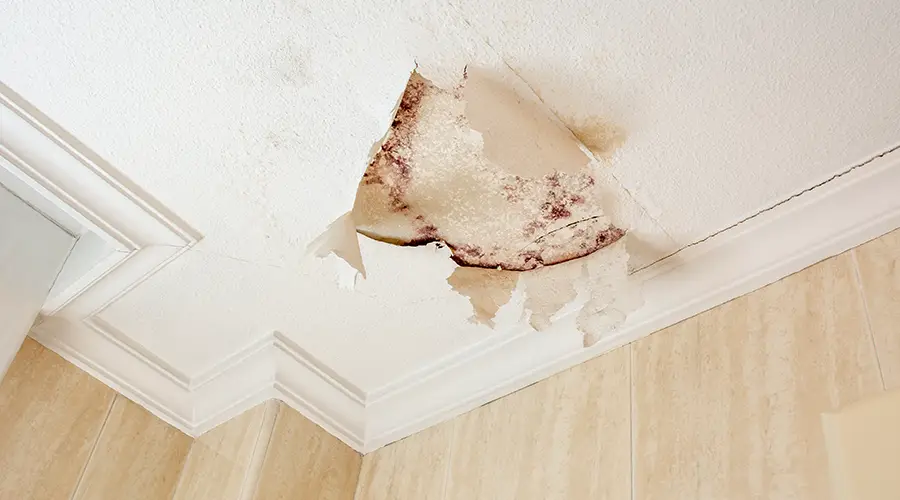
A roof leak is one of the most frustrating problems a homeowner can face. It can start with a small water stain on the ceiling, a damp smell in the attic, or a drip that only appears during heavy rain. What seems like a minor issue at first can quickly turn into damaged insulation, stained drywall, mold growth, and expensive repairs if the source is not addressed in time.
The challenge is that roof leaks do not always come from one obvious place. Water can enter through a weak point on the roof, travel along wood or insulation, and show up somewhere completely different inside the home. That is why it is important to understand the most common causes of roof leaks and how they develop. In this guide, we will explain where roof leaks usually begin, what signs to watch for, and why early action matters for effective roof waterproofing.
Why Roof Leaks Should Never Be Ignored?
A roof leak rarely stays small for long. Once water gets below the roofing surface, it can spread into other parts of the home and create problems far beyond the roof itself.
Ignoring a leak can lead to:
- Ceiling and wall stains
- Damaged attic insulation
- Mold and mildew growth
- Wood rot in roof decking or framing
- Higher repair costs over time
- Reduced energy efficiency inside the home
The sooner the source is found and fixed, the easier it is to protect the home from wider damage.
1. Damaged or Missing Shingles
One of the most common causes of roof leaks is damaged shingles. Shingles form the outer layer of protection on many residential roofs. When they crack, curl, loosen, or go missing, water can begin working its way into the layers below.
Shingles may become damaged because of:
- Strong wind
- Heavy rain
- Aging materials
- Falling branches or debris
- Repeated heat exposure
A few missing shingles may not seem serious, but exposed areas of the roof are much more vulnerable to water intrusion. If damage is left in place, the leak risk grows with every storm.
2. Flashing Problems
Flashing is the metal material installed around roof features such as chimneys, skylights, vents, and wall intersections. Its job is to seal the gaps where different parts of the roof meet. If flashing becomes loose, rusted, bent, or poorly sealed, water can easily enter through those openings.
Flashing issues are especially common around:
- Chimneys
- Roof vents
- Skylights
- Valleys where roof slopes meet
- Dormers and wall transitions
Because flashing damage is often subtle at first, homeowners may not notice anything until a leak begins to show indoors.
3. Cracked Vent Boot Seals
Many roofs have plumbing vents that pass through the surface. Around each vent is a protective boot or seal that helps block water from entering. Over time, these seals can crack, dry out, or separate due to sun exposure and normal aging.
When that happens, water can slip around the base of the vent pipe and reach the roof decking below. This is a small component, but it is a very common leak source on residential roofs.
4. Clogged Gutters and Poor Drainage
Your gutter system helps move rainwater off the roof and away from the home. When gutters become clogged with leaves, dirt, granules, or debris, water may back up along the roof edge instead of draining properly.
This can cause:
- Water to collect under shingles
- Damage near fascia boards
- Overflow that runs behind gutters
- Moisture buildup along the roofline
Poor drainage does not always cause an immediate leak, but over time it creates ideal conditions for water intrusion and wood damage.
5. Worn or Aging Roofing Materials
Every roof has a lifespan. As roofing materials get older, they naturally begin to lose their ability to resist moisture and weather exposure. Shingles may become brittle, sealants may dry out, and protective surfaces may wear down.
Signs that age may be contributing to leaks include:
- Granules collecting in gutters
- Curled or cracking shingles
- Faded, uneven roof surfaces
- Repeated minor leaks in different areas
- Frequent repair needs
An older roof is often more vulnerable to leaks even if there is no single dramatic point of failure.
6. Roof Valleys That Are Wearing Out
A roof valley is the area where two slopes meet. Valleys are designed to direct a large amount of water off the roof, which means they experience more water flow than many other sections. If shingles in the valley wear out, flashing shifts, or debris builds up, leaks can form more easily in these high-flow zones.
Roof valleys should always be inspected carefully when leak issues appear, especially after storms or years of heavy exposure.
7. Skylight Leaks
Skylights can bring natural light into a home, but they can also become a leak source if installation or sealing fails over time. Water may enter around the edges, through worn flashing, or because of cracked seals.
Skylight-related leaks may show up as:
- Water stains around the skylight opening
- Condensation that collects excessively
- Damp drywall near the frame
- Drips during rainstorms
Not every skylight problem means the unit itself is bad, but the surrounding sealing materials may need professional attention.
8. Chimney Area Damage
The area around a chimney is one of the most common places for roof leaks to develop. This part of the roof has multiple seams, flashing points, and transitions where water can enter if materials break down.
Common chimney-related leak causes include:
- Damaged flashing
- Cracked sealant
- Worn mortar joints
- Poor water shedding around the chimney base
Because water may travel before becoming visible, homeowners sometimes mistake chimney leaks for general roof leaks when the actual source is very specific.
9. Improper Roof Installation or Past Repair Work
Not all roof leaks come from age or weather. In some cases, the problem starts with poor workmanship. Improper installation can leave weak points that allow water in much sooner than expected.
Examples include:
- Misaligned shingles
- Poorly installed flashing
- Inadequate underlayment coverage
- Exposed fasteners in vulnerable spots
- Incomplete sealing around penetrations
A roof may look fine from a distance while still having hidden installation flaws that lead to leaks later.
10. Storm Damage and Wind Lift
Storms can create roof leaks in several ways. Wind may lift shingles, hail may bruise roofing materials, and falling debris may crack or puncture the surface. Sometimes the damage is obvious right away, but other times it weakens the roof and causes leaks during the next rainfall.
After a major storm, homeowners should watch for:
- Missing shingles in the yard
- Loose flashing
- Visible impact marks
- Fresh debris on the roof
- New ceiling stains indoors
A prompt inspection after severe weather can help catch leak sources before they grow worse.
Signs That a Roof Leak May Already Be Happening
Some leak warning signs appear before you ever see water dripping from the ceiling. Paying attention to early clues can help you act sooner.
Common warning signs include:
- Brown or yellow ceiling stains
- Peeling paint near the ceiling
- Damp insulation in the attic
- Musty odors in upper rooms
- Mold near roof-level walls or corners
- Water spots that grow after rain
These signs often mean moisture is already making its way into the home.
What Homeowners Should Do Next?
If you suspect a roof leak, the best step is to have the roof inspected by a professional. Trying to guess the source from inside the home can be difficult because water often travels before it appears.
Helpful next steps include:
- Document visible stains or drips
- Check the attic if it is safe to do so
- Move valuables away from affected areas
- Avoid climbing onto the roof during unsafe conditions
- Schedule a professional roofing inspection promptly
Early action can prevent a small leak from becoming a larger restoration problem.
Final Thoughts
The most common causes of roof leaks include damaged shingles, flashing problems, cracked vent seals, clogged gutters, aging materials, worn valleys, skylight issues, chimney damage, poor installation, and storm-related wear. While the source may vary from one home to another, the result is often the same: moisture gets in and damage spreads if the issue is ignored.
Understanding these common leak causes can help homeowners recognize trouble early and respond before repair costs increase. A well-maintained roof protects your home best when small problems are handled before they become major ones.